


Daily News: Headlines & Alerts
4.3157.00 Reviews
App Specs
- Version
- 1.15.0
- Updated On
- License
- Free
- Downloads
- 500,000+
- Developer
- Apps Skyline
- Categories
- News & Magazines
- Platform
- Android
Screenshots
 Analysis by AppCompare
I approach a news app with a practical question: does it help me stay informed without asking me to hand over more attention than I want to give? Daily News: Headlines & Alerts is a free news and magazines app from Apps Skyline, and its focus is a personalized daily news routine. That makes it appealing if you want a single place to check headlines, but I would judge it by more than how busy its front page looks. The important test is whether its choices feel useful and whether you can shape the experience around your own habits.
There is some audience interest behind it: the app has over 100,000 installs and an average rating of 4.2 from around 1,300 ratings. Those figures are a rough signal, not a guarantee that its stories or controls will suit you. It is rated for Everyone, and the current version is 1.13.0. I would treat those details as useful context while still checking the app’s actual on-device settings before settling into a routine.
How much confidence should a news reader place in it?
A personalized news feed can save time, but personalization also makes editorial judgment less visible. Choosing topics may make a feed feel more relevant; it does not by itself tell me how stories are selected, how sources are balanced, or whether different perspectives will appear. I use a news app as a starting point, not as the sole authority on a developing story. When an item matters, I look at the publisher and compare coverage elsewhere rather than treating a prominent headline as the whole picture.
The app’s simple daily-news framing is a sensible fit for quick check-ins, especially if your alternative is dipping into a social feed where news competes with unrelated posts. Still, a cleaner reading experience is not the same thing as verified accuracy. My trust in any particular story comes from its sourcing and corroboration, not the fact that it appears in a personalized app.
Choosing topics is useful, but it is not a source check
The original setup lets you select preferred news categories, which is a helpful way to avoid starting with a feed full of subjects you rarely follow. I would choose a few core interests first rather than trying to make the feed cover everything. That gives you a clearer sense of whether the selection is genuinely useful, and it makes it easier to notice when a major subject you care about is missing.
There is a trade-off here: narrowing a feed can reduce noise, but it can also narrow what catches your attention. I would keep one or two broader topics in the mix, then use the app to discover stories rather than to define the boundaries of what counts as important. For a major event, checking more than one established outlet is still the more careful habit.
Notifications deserve a deliberate first-day check
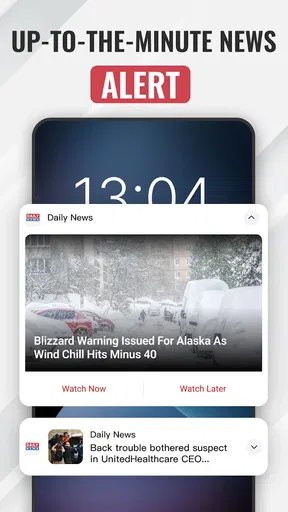
The app is described as offering alerts, and the published experience highlights timely notices about major events. Notifications can be useful when you want a prompt about something genuinely important, but they can also interrupt work, meals, or sleep. My practical advice is to decide what role alerts should play before letting them become part of your routine: keep only the kinds of updates you would act on, and use your device’s notification settings if you need a quieter phone.
Worth Reading Before You Choose

EA SPORTS FC Mobile 26 Is a Bigger Football Game, but It Takes Time

Flipboard Shows What News Apps Must Do Beyond the Feed

Switching to Android Auto Means Rethinking Your Driving Routine

Google Calendar Makes a Crowded Week Easier to Manage

Ludo King Makes the Most of the Minutes Between Plans

Baby Panda World Brings Quick Play to Modern Phones, but Its Game Library Feels Busy
I would not assume that an alert’s timing or topic selection will always match my personal definition of breaking news. If a headline arrives at a bad moment, I can leave it unread and return during a planned check-in. That small boundary helps the app serve my schedule instead of turning every new notification into a demand for attention.
Visible choices matter more than reassuring language
Privacy is a concrete question, not a feeling I can infer from a clean interface. I would review the permission prompts on the device and ask whether each requested access makes sense for reading news. I would also look for the app’s privacy information and any account or personalization controls that are visible in the app. Those are the places where a reader can make an informed choice; a general assurance alone is not enough for me to judge data handling.
I prefer to grant only access that is necessary for a feature I actually use. If a permission prompt appears, I pause and consider whether declining it would prevent the basic reading experience or only an optional convenience. That is a useful habit for any news reader, particularly one that personalizes content. I would not enable settings just because they are offered; I would choose them only when their purpose is clear to me.
Personalization and privacy meet in everyday use
News preferences can reveal a lot about what someone follows, even when the selections seem ordinary. That makes the first setup worth doing thoughtfully: pick categories that improve the feed, but avoid treating every optional prompt as a requirement. If the app offers account controls or a way to revise preferences, I would revisit them after a few days, once I know which selections actually help. A feed that reflects current interests is more useful than a collection of choices made hastily during installation.
For a shared device, I would be particularly careful about leaving a personalized feed open to other people. A person checking headlines at the kitchen table may not want their interests or reading habits to become part of a family member’s casual browsing. The simple solution is to keep device access in mind and avoid sharing account details if you use an account. These are ordinary precautions, but they matter more than a vague sense that a news app is private.
Where it fits beside other news habits
Compared with opening several publisher apps one by one, a category-based news reader can be a faster first stop when I want a broad scan. Compared with social media, a news-focused interface can reduce unrelated distractions. But readers who depend on a particular newspaper’s reporting, specialist newsletters, or a local broadcaster may get better depth and clearer editorial identity directly from those sources. A general feed is convenient; it is not a replacement for every source you trust.
I also see a difference between a personalized aggregator and a direct publisher app. The former can make discovery easier across subjects, while the latter gives a more consistent view of one newsroom’s reporting and presentation. If you mainly follow one outlet, switching between its sections may be simpler than maintaining another feed. If your goal is a varied overview, a personalized app has a stronger case, provided you keep an eye on the sources behind the stories.
A useful routine for a busy morning
Imagine having a few minutes before leaving home. I would open the feed, scan the leading headlines, and choose one or two stories that affect my day rather than trying to read every item. If an alert has arrived overnight, I would check whether it points to a developing story, then verify important details through another source before passing them along. That keeps a quick morning check useful without letting a stream of headlines take over the time I need to get ready.
On a commute, the app’s described option to save articles for later can make a difference if reception drops. I would save a story while connected and confirm it is available before relying on it for a long stretch offline. For anything time-sensitive, I would not assume a saved article will refresh itself without a connection; offline reading is best treated as a way to revisit what you already have, not as a live news feed.
What to check before making it a daily habit
My first few sessions would be a short trial, not a commitment. I would see whether the chosen categories produce a useful mix, whether headlines lead to stories I actually want to read, and whether notifications add value rather than simply creating another interruption. I would also inspect the controls available on my device and in the app before deciding what to enable. If the feed feels repetitive, I would adjust the topic mix or use a separate source for the subjects it does not cover well.
It is free to download, so trying it does not require a purchase. That does not mean every reader will find it cost-free in the broader sense of time and attention. A feed that encourages constant checking can be a poor fit for someone trying to limit screen use. In that case, scheduled visits or a publisher’s less interruptive reading option may work better than keeping alerts active throughout the day.
People often ask whether a personalized news app can replace their regular sources. I would say no: it can help you find and scan stories, but important claims deserve a look at the original reporting and, when necessary, independent confirmation. Another practical question is whether you need to create an account. I would follow what the app actually presents during setup and avoid entering details unless a feature I want clearly requires them. And if alerts feel excessive, I would change the device-level notification choice rather than assume that constant access is part of using the app.
Who is likely to find it worthwhile?
I would recommend giving Daily News: Headlines & Alerts a try if you want a straightforward place to check several interests and are comfortable treating its feed as a guide to stories, not the final word. It is particularly suited to someone who wants a brief daily scan and is willing to tune categories and notification habits. The developer is Apps Skyline, and the app sits in the news and magazines space rather than being a dedicated publication from one newsroom.
I would skip it, or keep it as a secondary reader, if you need deep coverage of a narrow subject, rely on a specific publisher’s editorial standards, or want strong control over every part of a news source’s selection process. It may also be a poor match if you dislike personalized feeds or prefer to choose each publication yourself. For those readers, direct publisher apps, newsletters, or a deliberate set of bookmarks can offer a more transparent and focused routine.
First impressions
Downloading Daily News: Headlines & Alerts was a breeze. The app is available on both Android and iOS, and within minutes, I was ready to dive into a world of timely updates. The interface is clean and intuitive, making navigation feel almost second nature. With a swipe here and a tap there, I was all set up and ready to roll.
Customizing Your News Experience
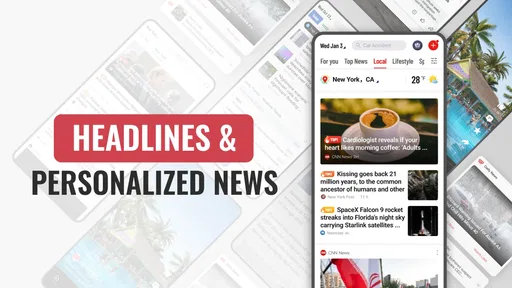
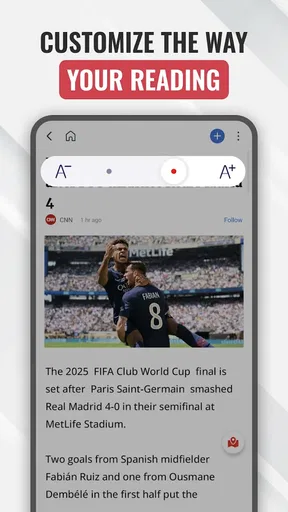
The beauty of this app lies in its ability to tailor content to your interests. Whether you're a sports fanatic, a tech geek, or someone who just wants the headlines, this app has you covered. It asks you to select your preferred news categories right from the get-go. I appreciated how it didn’t bombard me with unnecessary topics but instead allowed me to focus on what matters most to me. The customization options are a definite highlight.
Real-Time Alerts
If you’re like me and hate missing out on breaking news, you’ll love the real-time alerts feature. The app ensures you’re never out of the loop by sending timely notifications about major events as they unfold. It’s like having a personal news assistant at your fingertips, keeping you informed without being intrusive. I found the alerts to be prompt and relevant, striking a perfect balance without overwhelming my phone.
Reading Made Easy
One of the standout features of Daily News is its reader-friendly layout. Articles are well-organized and easy to digest, with a mix of short summaries and in-depth analyses. For those rushed mornings, the quick reads are perfect. And when I have a little more time, I can dive deeper into the stories that catch my eye. The app also features a slick dark mode for those late-night reading sessions—a thoughtful touch for night owls like myself.
Offline Access
Here’s something I didn’t know I needed until I had it: offline access. The app lets you save articles to read later, even without an internet connection. This feature came in handy during my daily commute when signal reception was spotty at best. Being able to catch up on saved articles anytime, anywhere, makes it a truly versatile news companion.
Multimedia Integration
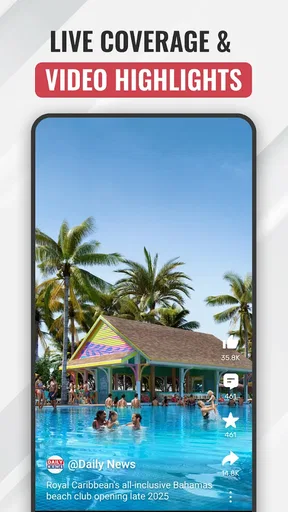
It’s not all text and headlines here; the app integrates multimedia content beautifully. From short video clips to podcasts, there’s something for everyone. I particularly enjoyed the podcast section, which offers a wide range of topics, making my morning coffee that much more enjoyable. The multimedia content is seamlessly integrated, enhancing the overall news experience.
Staying Secure
In a world where data privacy is a hot topic, it’s reassuring to know that Daily News: Headlines & Alerts respects user privacy. The app doesn’t require intrusive permissions, and it’s clear about how it uses your data. It’s a small but significant detail that adds to the trustworthiness of the app.
Final Thoughts
In a sea of news apps, Daily News: Headlines & Alerts stands out for its simplicity, customization, and comprehensive coverage. It’s perfect for news enthusiasts who want a personalized experience without the clutter. Whether you’re an occasional reader or a news junkie, this app caters to all. It’s become a staple on my phone, and I can’t recommend it enough.
So, if you’re on the hunt for a reliable, user-friendly news app, give Daily News: Headlines & Alerts a try. It might just change the way you consume news, one headline at a time.
Pros
- User-friendly interface enhances readability.
- Real-time news alerts keep you updated.
- Customizable topics for personalized feed.
- Offline reading mode available.
- Diverse news sources for balanced perspectives.
Cons
- Ads can be intrusive at times.
- Some features require a subscription.
- Occasional lag in app performance.
- Limited multimedia content options.
- Infrequent updates on niche topics.
FAQs for Daily News: Headlines & Alerts
What features does Daily News: Headlines & Alerts offer?
Daily News: Headlines & Alerts provides a comprehensive news experience with customizable alerts, a wide range of topics, real-time updates, and an intuitive interface. Users can personalize their news feed by selecting preferred categories such as sports, politics, technology, and entertainment. Additionally, the app offers offline reading and a dark mode for a more comfortable viewing experience.
Is Daily News: Headlines & Alerts free to use?
Yes, Daily News: Headlines & Alerts is free to download and use. However, it offers in-app purchases and subscriptions that provide additional features such as ad-free browsing, premium content, and enhanced customization options. Users can decide whether to enjoy the app with or without these premium features.
How does Daily News: Headlines & Alerts ensure the credibility of its news sources?
Daily News: Headlines & Alerts partners with reputable news organizations and sources to deliver accurate and up-to-date information. The app has a dedicated team that curates and verifies content, ensuring that users receive reliable news. Users can also report any questionable articles for further review by the editorial team.
Can I customize notifications in Daily News: Headlines & Alerts?
Absolutely! The app allows users to tailor notifications based on their interests and preferred news topics. You can set alerts for breaking news, specific categories, or even mute notifications during certain hours. This flexibility helps ensure you only receive the news that matters most to you, whenever you want.
Does Daily News: Headlines & Alerts support offline reading?
Yes, Daily News: Headlines & Alerts supports offline reading, allowing users to download articles and access them without an internet connection. This feature is particularly useful for those who want to catch up on news while commuting or in areas with limited connectivity. Simply save articles in advance to read them offline.


